The Rise and Fall of America’s Beloved Five-and-Dime Stores
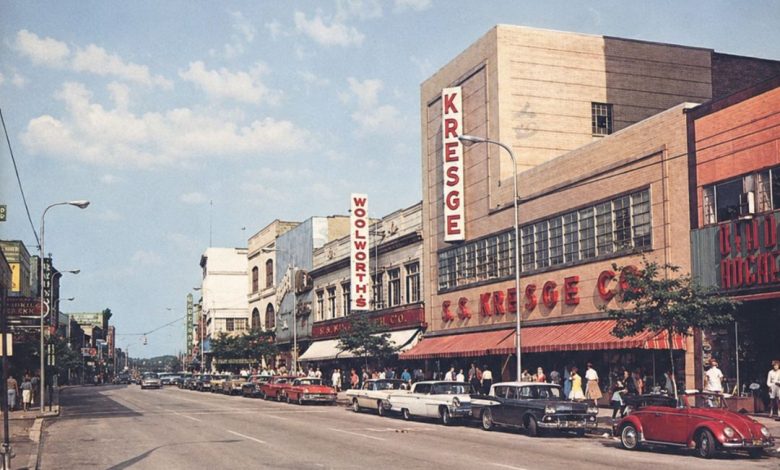
For generations of Americans, the five-and-dime store was more than just a place to shop. It was a familiar stop on Main Street, a place where families could browse, children could spend a few coins, and shoppers could find almost anything they needed at a fair price.
The story began with Frank Woolworth, who opened his first store in 1878. That first attempt was not a major success, but just one year later, Woolworth opened another store that performed much better. From there, he helped introduce a new kind of retail experience: the five-and-dime store, where many items were sold at fixed low prices.
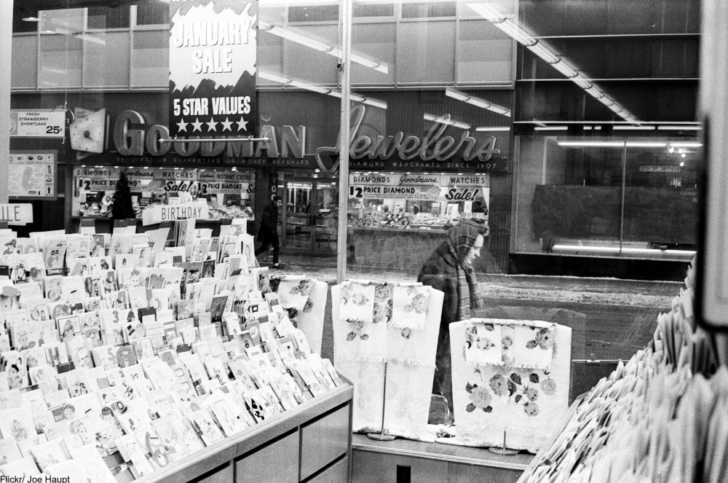
At a time when general stores often kept goods behind counters or in bulk bins, Woolworth’s approach felt modern and exciting. Customers could walk through the aisles, look at attractive displays, and choose items for themselves. This simple idea changed the way Americans shopped.
Soon, other businessmen saw the power of the concept. Sebastian Kresge and John McCrory opened their own dime-store business in Memphis, Tennessee, in 1897. Kresge’s company grew quickly. Within only 15 years, it was reportedly worth $7 million and had expanded to 85 stores.
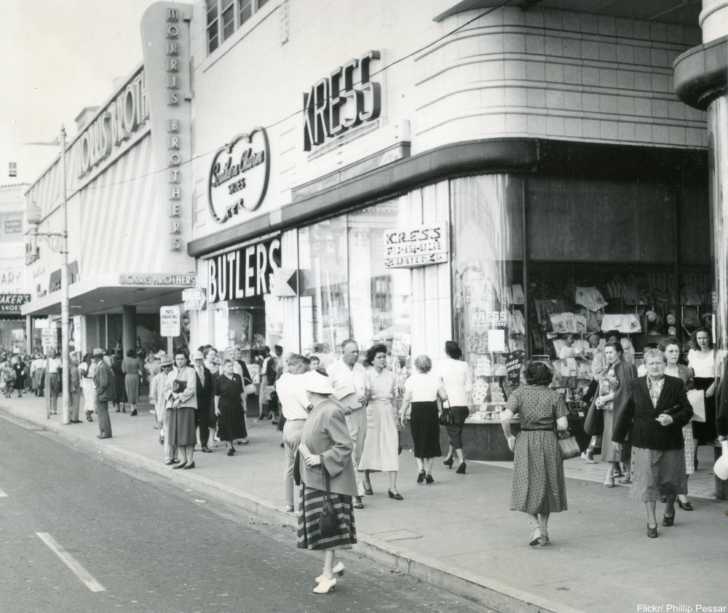
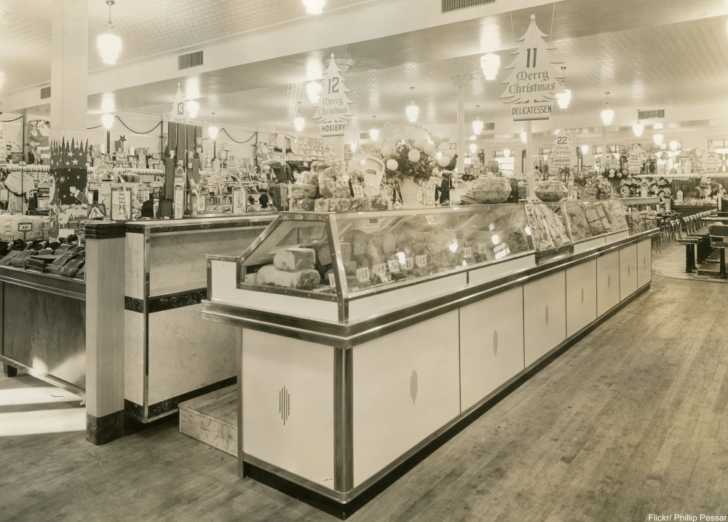
By the early 1900s, five-and-dime stores had become a major part of American retail life. They sold stationery, toys, household items, sewing supplies, candy, decorations, and countless everyday goods. Many stores later added departments and even lunch counters, turning them into popular gathering places as well as shopping destinations.
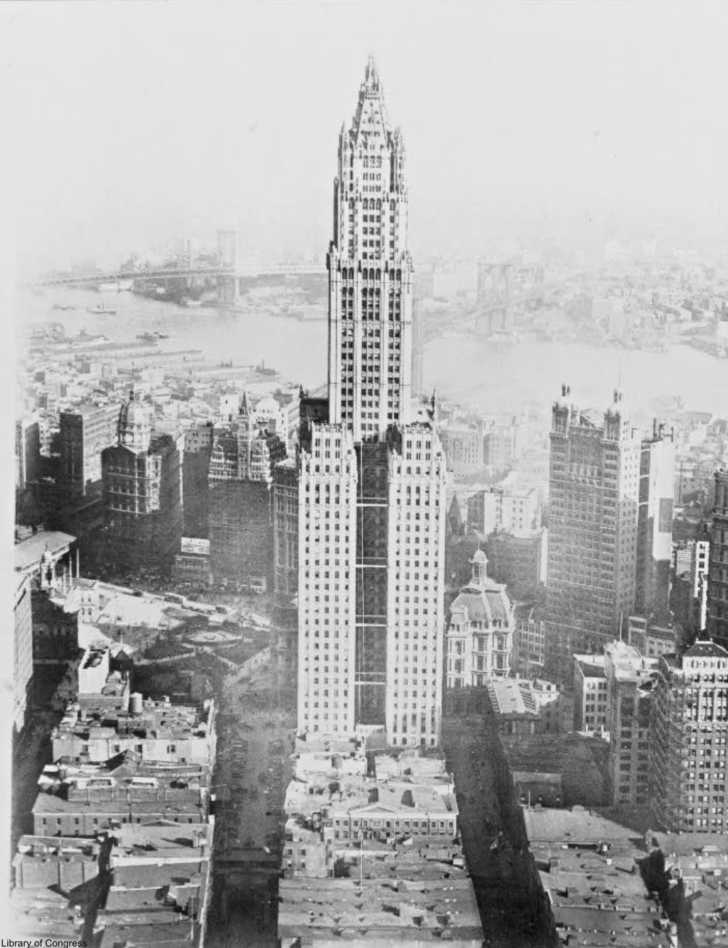
Woolworth’s success became so great that by 1910, Frank Woolworth had made millions. He soon began construction on the famous Woolworth Building in New York City. Completed in 1913, the skyscraper became a symbol of the company’s enormous success. Although Woolworth’s itself occupied only a small portion of the building, the tower stood as a proud reminder of how powerful the five-and-dime business had become.
As the years passed, prices naturally changed. The Great Depression, inflation, and rising costs made it harder to keep items priced strictly at five or ten cents. Still, the spirit of the stores remained the same: offer a wide variety of useful goods at prices ordinary people could afford. In some places, these stores were later compared to or replaced by early versions of dollar stores.
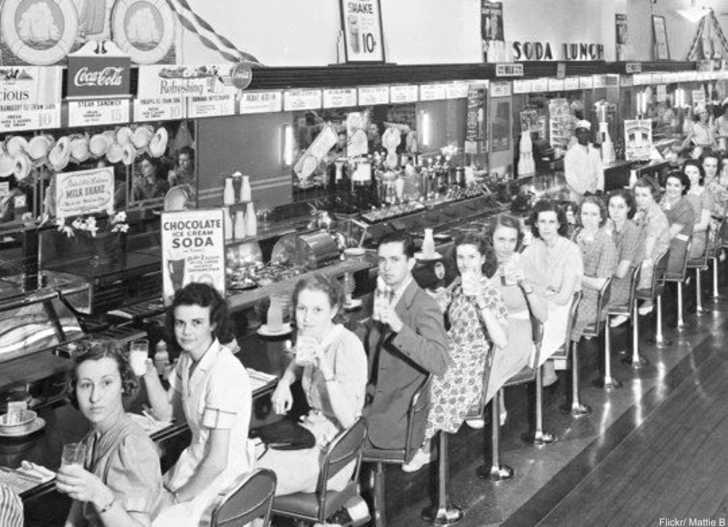
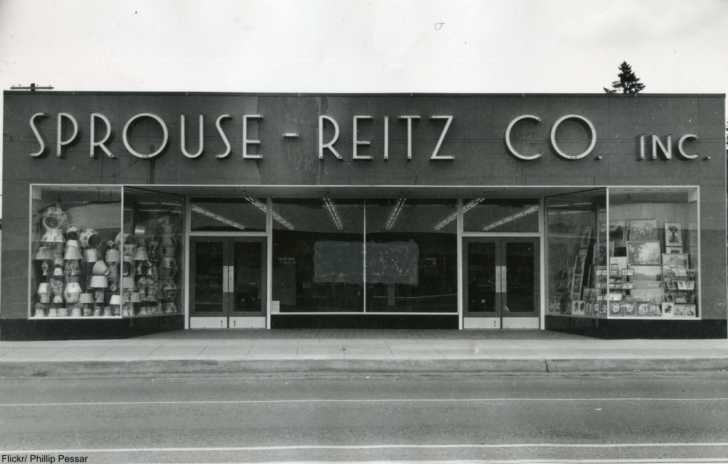
For decades, names like Woolworth’s, Kresge, Kress, McCrory, and Sprouse-Reitz were familiar across the country. Their storefronts appeared in downtown shopping districts from small towns to big cities. For many Americans, a visit to the five-and-dime meant discovering small treasures, eating at the lunch counter, or simply enjoying the colorful displays.
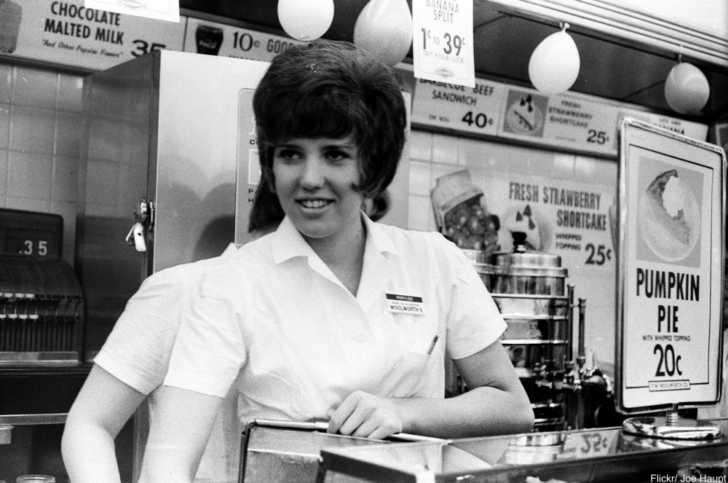
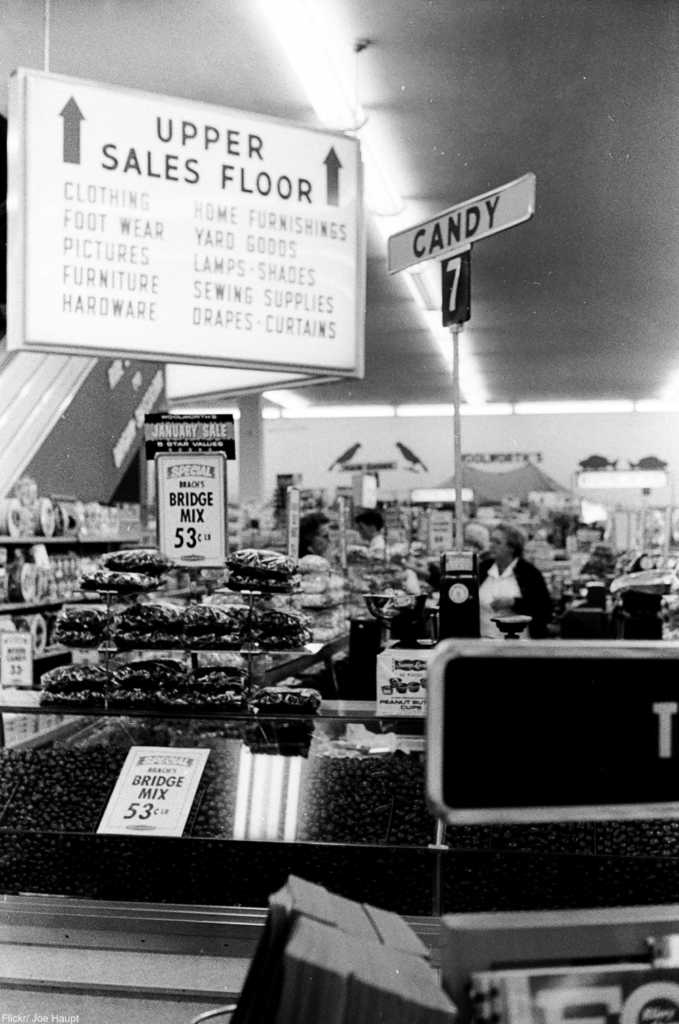
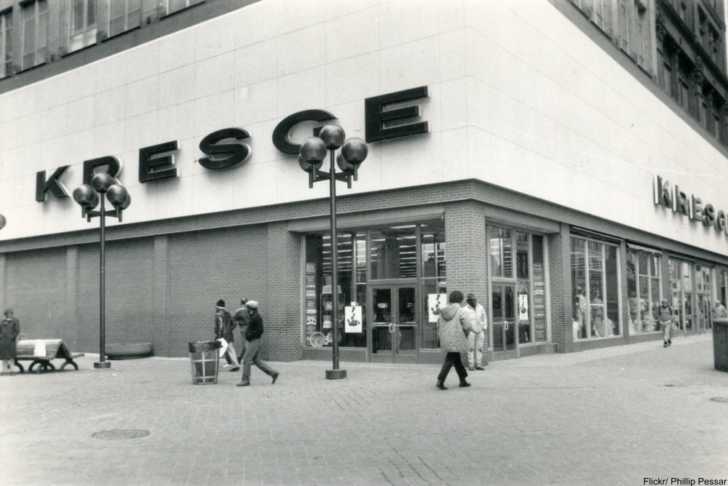
But retail changed. Large discount chains, shopping malls, mergers, and modern drugstores began to take over the role that five-and-dimes once filled. Kresge eventually became Kmart, while Woolworth’s closed its last U.S. stores in 1997 after years of struggling against larger competitors. Many smaller variety stores had already disappeared by then.
Even so, the memory of the five-and-dime remains strong. These stores gave many people their first jobs, their first independent shopping experiences, and some of their warmest childhood memories. For a long time, there was simply no other place where Americans could find such a wide variety of goods under one roof at such reasonable prices.
The old five-and-dime stores may be gone from most Main Streets, but their influence can still be felt in modern discount stores today. More importantly, they remain a cherished part of American memory — a reminder of a time when a few coins could buy something useful, exciting, or unforgettable.