Medical Analyst Raises Alarm After Trump’s Rapid-Fire Address Sparks Health Questions
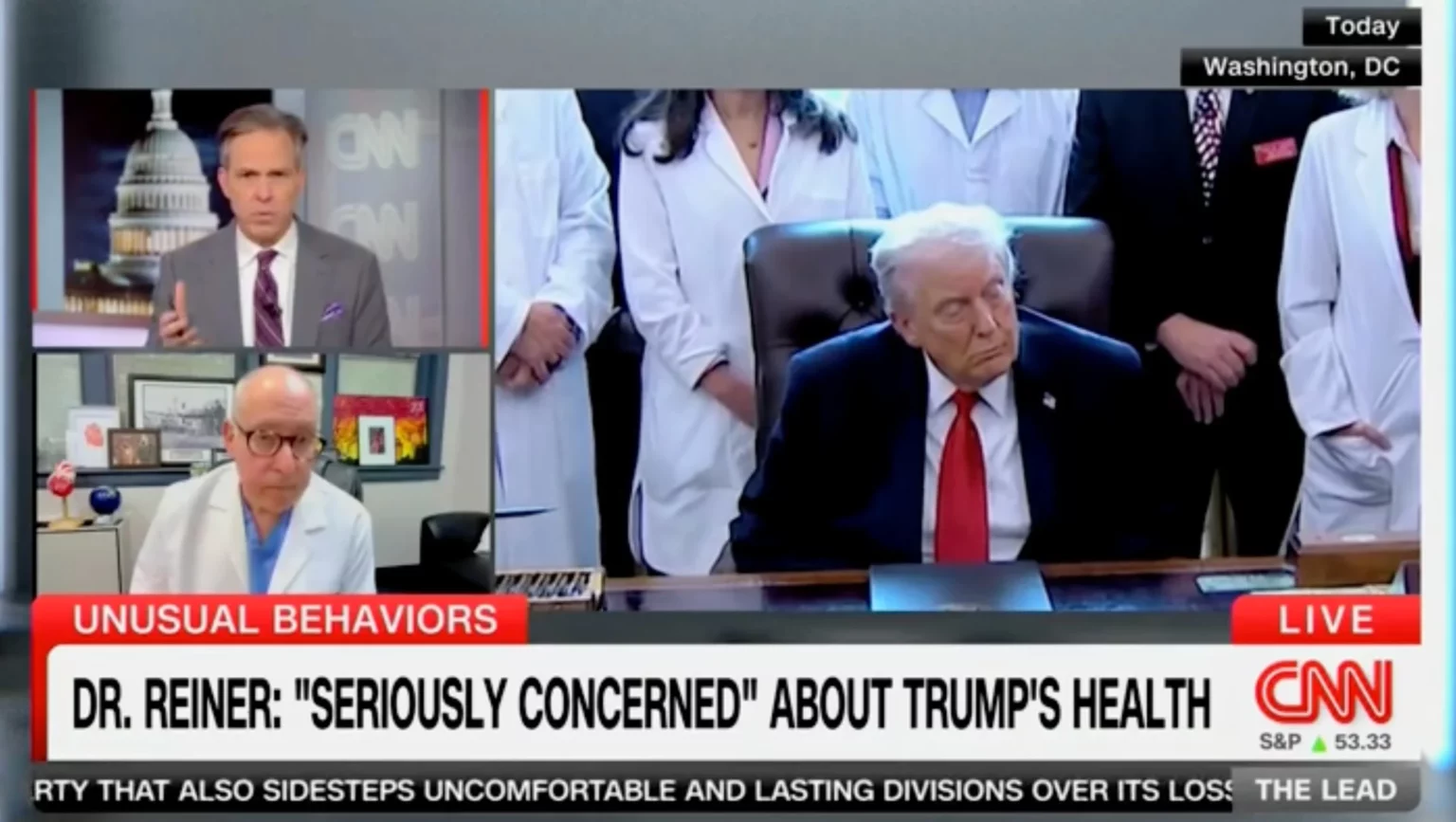
A short televised address by President Donald Trump has triggered a wave of speculation online and renewed questions about presidential health transparency, after a prominent cardiologist and CNN medical analyst said he was “seriously concerned” by what he described as an unusually “manic” delivery style.
What happened during the address
According to the report, Trump delivered a Wednesday address to the nation that lasted about 18 minutes. Viewers claimed he appeared to be shouting into the camera and speaking in a way that felt markedly different from his usual public appearances.
One detail that stood out to Dr. Jonathan Reiner—cardiologist, professor of medicine and surgery at George Washington University, and a medical analyst for CNN—was the pace: he said it was “jarring” to see Trump power through what he characterized as a “30-minute speech… in 18 minutes.” Reiner added that he was “seriously concerned about the health of the president.”

The “disturbing” pattern Reiner described
Reiner later expanded on his concerns on CNN, emphasizing that—at least in his view—it wasn’t primarily about the speech’s message. Instead, he focused on the manner of delivery, which he characterized as:
- A “manic cadence,” also described as frantic and pressurized
- Speech that sounded so fast it felt like “2x” playback speed
- A pace that accelerated as the address continued
- An overall presentation he said was uncharacteristic and “disturbing” given the responsibilities of the office
Reiner also underscored why this unsettled him, pointing to the president’s role as commander-in-chief and arguing that any signs of instability—real or perceived—carry higher stakes than they would for an ordinary public figure.
Why “daytime sleepiness” came up
Beyond the rapid speech, Reiner cited other publicly observed moments that, in his assessment, could suggest increased daytime somnolence (excessive sleepiness during the day). He referenced reports or claims that Trump had fallen asleep in settings such as:
- A crowded Oval Office
- Cabinet meetings, including occasions when people were speaking directly to him
Reiner noted there are multiple potential causes for daytime sleepiness and gave sleep apnea as one example—describing it as a condition where disrupted sleep can prevent restorative rest. He also mentioned common treatment like CPAP therapy, while adding that he had not seen public disclosure indicating Trump has sleep apnea.
Calls for greater transparency
The report says the White House has previously addressed questions about Trump’s health, including discussion around swollen ankles and bruising on his hands. Reiner argued the administration should be “more forthcoming” about any medical issues—while also acknowledging that no one should take pleasure in seeing a leader appear unwell.
Important context and limitations
It is worth stressing that these comments are interpretations based on televised behavior and publicly reported moments, not a medical diagnosis. Observers can notice changes in pace, tone, or alertness, but only a clinical evaluation and verified medical information can confirm whether a health problem exists, what it is, and how serious it may be.
Still, the episode highlights a recurring issue in modern politics: when a leader’s public demeanor suddenly shifts, questions about health, fitness for duty, and transparency tend to escalate quickly—especially in a media environment where short clips can shape public perception in minutes.