Which decade are these prices from?
For many Americans, a trip to the grocery store today can feel painfully expensive. With prices rising on everything from eggs to orange juice, it is easy to look back and wonder whether life really was cheaper decades ago. A set of old clips filmed inside a Safeway grocery store in 1980 offers a fascinating look at how Americans shopped more than 40 years ago — and what they paid at checkout.
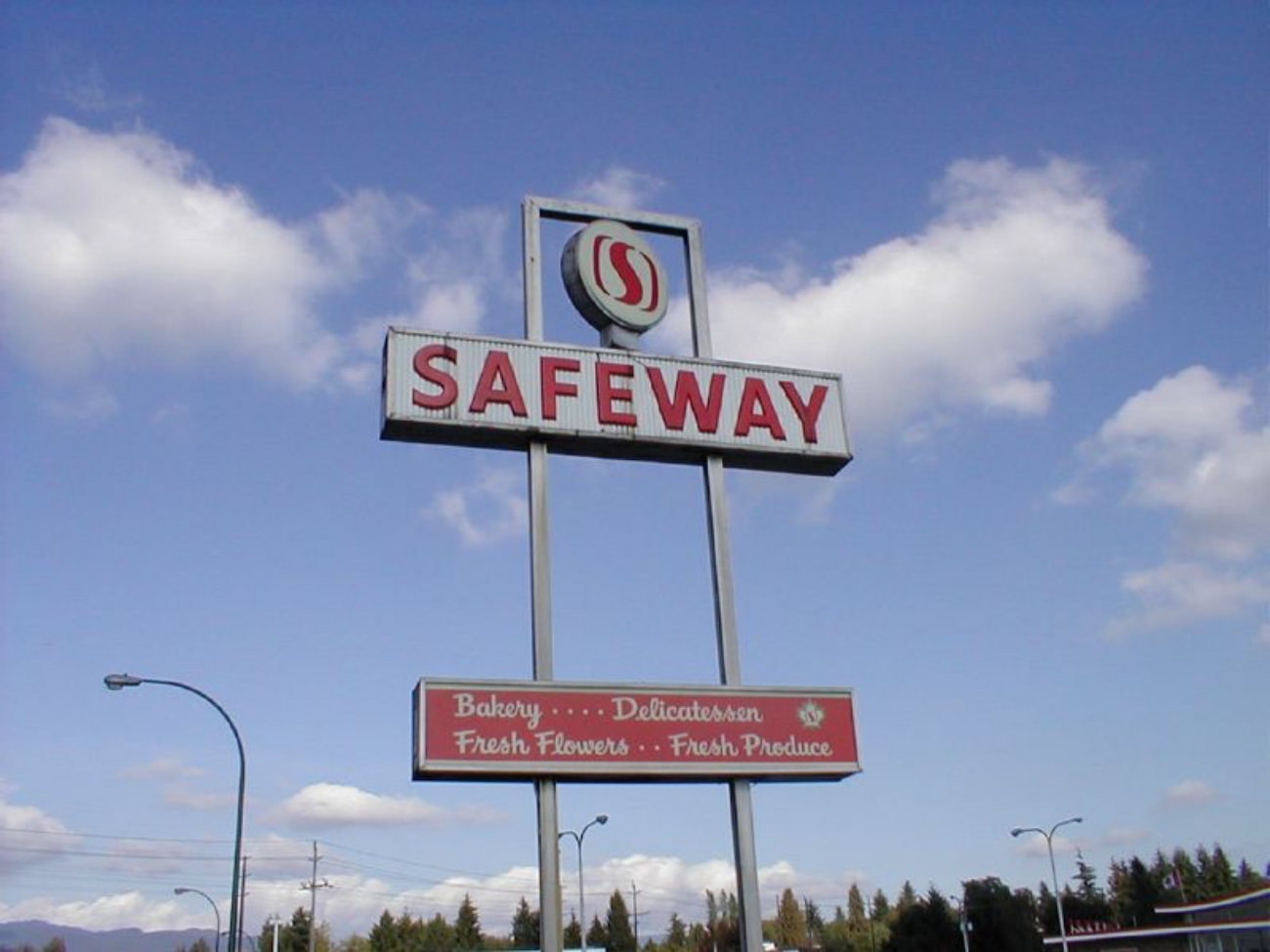
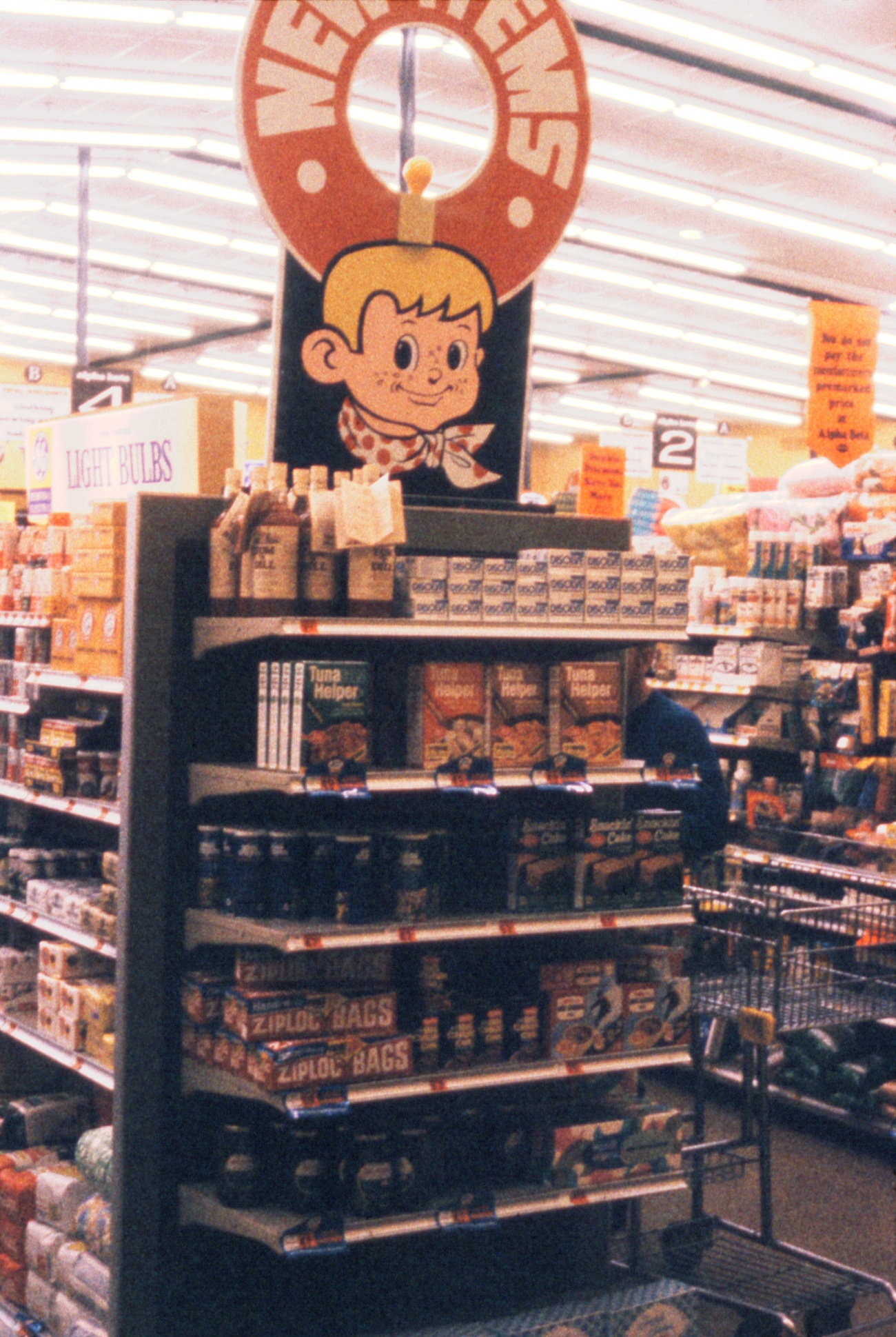
At first glance, the store feels surprisingly familiar. The aisles are lined with canned goods, condiments, frozen food bins, and shopping carts that look much like the ones used today. Some details, however, clearly belong to another era: freezer cases covered in faux wood panels, customers moving briskly through the aisles, and women shopping in high heels — something rarely seen in modern supermarkets.
One of the most interesting parts of the footage is a printed receipt from store #1200, believed to have been located in Colorado. Although not every item on the receipt is easy to read, several prices are visible, giving us a rare snapshot of everyday grocery costs in 1980.
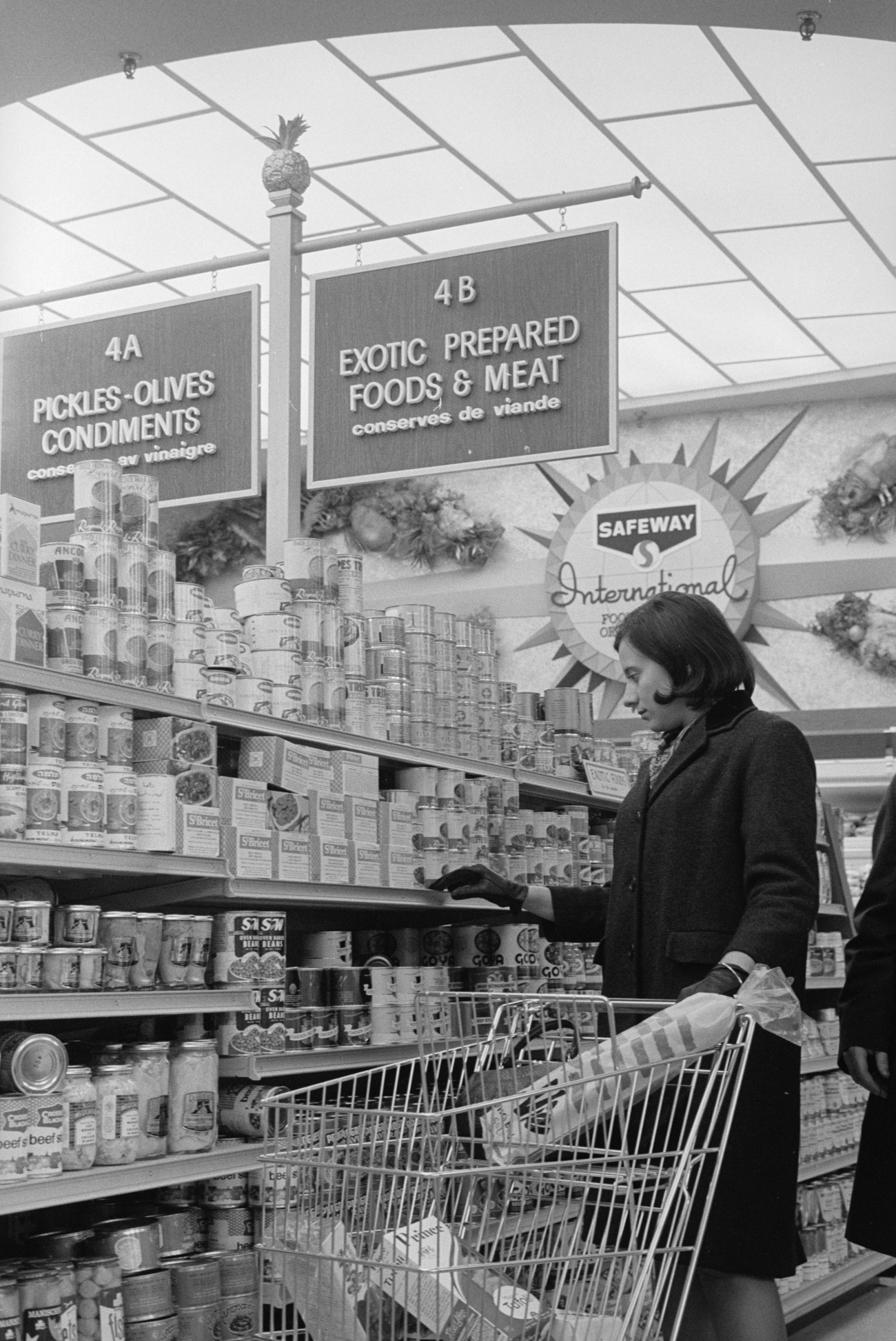
Some of the listed prices included:
Tropicana orange juice $0.53
Ritz Crackers $1.09
Deodorant soap $0.43
Pinto beans $0.63
Large eggs $0.74
Beef hotdogs $1.79
Goldfish crackers $0.79
Pepperidge Farms chocolate brownie cookies $0.89
Tampons $1.99
Ajax cleanser $0.64
Deodorant $1.99
Hot dog buns $0.50
Altogether, the readable items on the receipt came to $12.01.
At first, that total sounds almost unbelievable compared with today’s grocery bills. Similar items at a modern Safeway in the Denver area could cost about $50.96. That includes:
Tropicana orange juice $4.00
Ritz crackers $3.79
Dial deodorant soap multi-pack breaks down to $0.85 per bar (but original 1980 price could have been for an entire multi-pack)
Pinto Beans $1.29
Large eggs $3.99
Beef hotdogs $4.99
Goldfish crackers $2.99
Pepperidge Farms chocolate cookies $4.99
Tampons $10.99
Ajax cleanser (Comet powder) $2.29
Deodorant $3-$7
Hot dog buns $3.79
But the comparison becomes more complicated when inflation is considered. The $12.01 total from 1980 would equal roughly $46.18 in today’s money. Compared with the modern estimate of $50.96, the difference is not as dramatic as the original prices might suggest.
Still, there is an important catch: inflation does not tell the whole story.
The old receipt does not show package sizes, weights, or whether certain products were single items or multi-packs. That matters because many products today have quietly gotten smaller while prices have stayed the same or increased. This practice, often called shrinkflation, means shoppers may be paying more while receiving less.
So while the numbers show that grocery prices have not always risen as wildly as they appear once adjusted for inflation, the real issue may be value. A family in 1980 might have paid less at the register — and possibly received larger packages, more product, or better buying power for certain staples.
The old Safeway footage is more than a nostalgic look at wood-paneled freezers and vintage shopping carts. It is a reminder that grocery prices are not just about dollars and cents. They are also about package size, household budgets, wages, and how far one shopping trip can really stretch.
In the end, the 1980 receipt shows something many Americans already feel today: even when the math says prices are close after inflation, the experience of shopping can still feel very different.
Check out grocery shopping in 1980 in the video below: