Does Anyone Still Have A Little Round Scar On Their Arm?
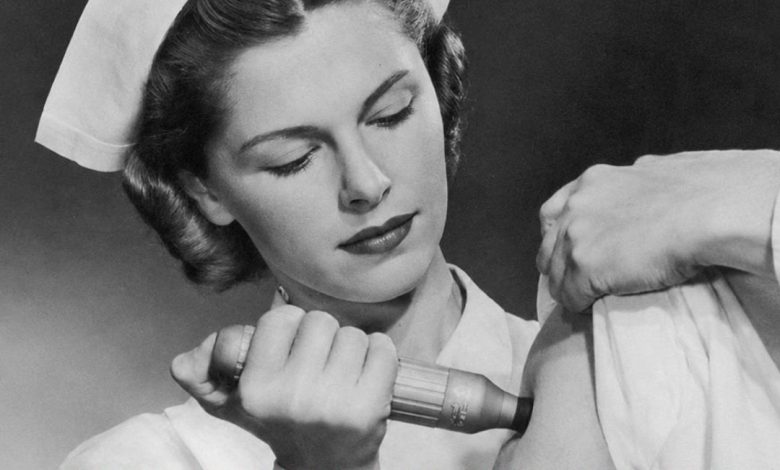
Many Americans, especially those born before the early 1970s, may still have a small round scar on their upper arm. That mark is most commonly known as a smallpox vaccine scar.
It is not just an ordinary scar. It is a visible reminder of one of the most important public health victories in history: the fight against smallpox, a dangerous disease that once killed millions of people around the world.
What was it called?
The mark is usually called a smallpox vaccination scar or simply a smallpox vaccine scar. It was left behind after a person received the smallpox vaccine, which trained the body to fight smallpox.
Smallpox was caused by the variola virus. The vaccine did not use the smallpox virus itself. Instead, it used a related virus called vaccinia, which helped the immune system build protection.
When did it begin?
The idea of vaccination against smallpox began in 1796, when English doctor Edward Jenner showed that exposure to cowpox could protect people from smallpox. His work became the foundation of modern vaccination.
In the United States, smallpox vaccination became widely used over time, especially during the 19th and 20th centuries. For many years, children received it as part of routine public health protection.
Why did it leave a scar?
The old smallpox vaccine was different from many modern shots. It was often given on the upper arm using a special method that punctured the skin several times. The vaccine site would form a sore, scab over, and then heal. In many people, it left a small, round, slightly sunken scar.
That scar usually meant the vaccine had “taken,” meaning the body had produced the desired immune response.
What was its purpose?
The purpose of the smallpox vaccine was simple but extremely important: to prevent smallpox infection or make the disease much less severe. Historically, the vaccine was highly effective; the CDC notes that it prevented smallpox infection in about 95% of vaccinated people.
Smallpox was not a mild childhood illness. It could cause severe fever, rash, permanent scarring, blindness, and death. WHO describes it as one of humanity’s most devastating diseases before eradication.
Did it really stop in 1972?
For the American public, yes—with an important clarification. Routine smallpox vaccination among the general U.S. public stopped in 1972, after smallpox had been eliminated in the United States.
That does not mean the vaccine disappeared completely. Some military personnel, laboratory workers, and certain emergency-response groups have received smallpox vaccination in later years because of possible exposure risks.
When was smallpox eradicated?
The last natural outbreak of smallpox in the United States occurred in 1949. Worldwide, the last naturally occurring case was recorded in 1977, and in 1980 the World Health Assembly declared smallpox eradicated.
That made smallpox one of the greatest success stories in medical history.
A small scar with a big meaning
Today, that little round scar is more than a mark on the skin. It is a symbol of a time when vaccination campaigns helped remove a deadly disease from everyday life.
For many older Americans, the scar is a personal reminder of school vaccinations, public health clinics, and a disease that younger generations have never had to fear. A tiny mark on the arm tells the story of a global victory over smallpox.