I can’t be the only one who had these back in the day!
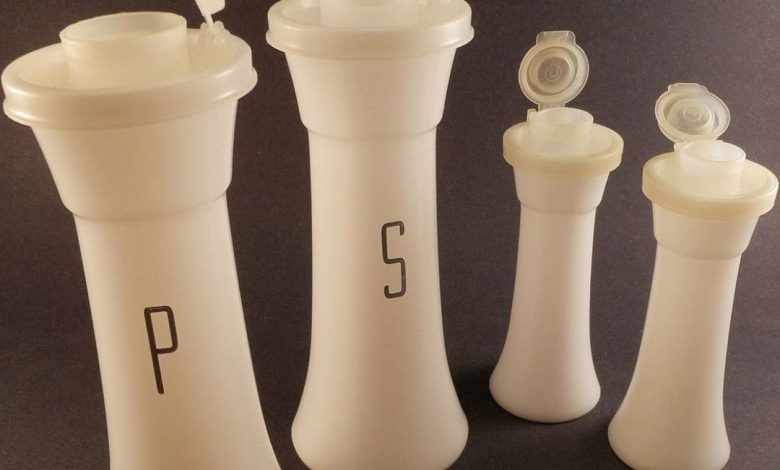
Before glass spice jars and stainless-steel grinders became common on American tables, many families used a softer, lighter, and more practical option: Tupperware salt and pepper shakers. The shakers in the image are classic examples of vintage Tupperware kitchenware, with tall plastic bodies, flip-top lids, and large printed letters: “P” for pepper and “S” for salt.
Tupperware itself became a household name in the United States after Earl Tupper introduced his plastic food-storage products to the public in 1946. The brand became especially popular through the famous Tupperware home party system, helped by sales pioneer Brownie Wise, who showed American families how useful lightweight, sealable plastic containers could be in everyday kitchens.
These salt and pepper shakers were designed for a very practical purpose: keeping seasonings easy to pour, easy to carry, and better protected from moisture than many open or poorly sealed containers. Their plastic construction made them lighter and less breakable than glass shakers, which was useful for picnics, campers, lunchboxes, RV trips, church gatherings, and family cookouts.
One detail that makes these shakers recognizable is the flip-top lid. Instead of unscrewing a cap every time, users could simply open the small hinged cover and shake out the seasoning. The taller versions were often used at home, while the smaller versions were convenient for travel or outdoor meals. That simple design explains why many vintage pieces still appear in resale listings today as “Tupperware Vintage Salt & Pepper Shakers” or similar names.
For many Americans, these shakers are more than kitchen tools. They are a piece of mid-century domestic history. Tupperware was not only about food storage; it represented a new way of organizing the home. In the 1950s, 1960s, and 1970s, Tupperware parties became social events where neighbors, relatives, and friends gathered to see new products demonstrated. Smithsonian and PBS both note the importance of Brownie Wise and the home-party model in turning Tupperware into a cultural phenomenon.
The shakers in the photo also show why vintage Tupperware remains collectible. Their design is not fancy, but it is instantly recognizable: cream-colored plastic, simple lettering, rounded bases, and durable everyday construction. Collectors often value these pieces because they remind them of older kitchens, family dinners, camping trips, and the era when Tupperware cabinets were a normal part of American homes.
Today, vintage Tupperware salt and pepper shakers are appreciated for both function and nostalgia. They may not look luxurious, but they tell a clear story: good household design does not always need to be complicated. Sometimes, the most memorable objects are the ones that quietly did their job for decades.