The California Raisins: How Dancing Clay Raisins Became an 1980s American Pop-Culture Icon
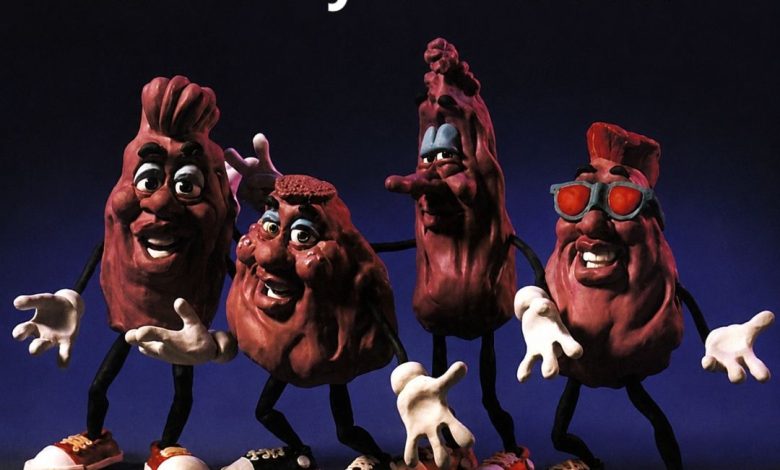
In the mid-1980s, few people would have guessed that a group of wrinkled, singing raisins would become one of America’s most memorable advertising sensations. Yet The California Raisins did exactly that. With sunglasses, sneakers, big smiles, and soulful rhythm-and-blues energy, these clay-animated characters turned a simple dried fruit into a national pop-culture phenomenon.
The California Raisins first appeared in 1986 as part of an advertising campaign created for the California raisin industry. The goal was straightforward: make raisins feel exciting again, especially to younger consumers and families. Instead of presenting raisins as an ordinary pantry snack, the campaign gave them personality, music, humor, and style.
The characters were brought to life through Claymation, a stop-motion animation technique made famous by Will Vinton Studios. Each raisin figure was sculpted from clay and moved frame by frame, creating the illusion that the characters could dance, sing, and perform like a real vocal group. Their signature song was “I Heard It Through the Grapevine,” a Motown-era classic strongly associated with Marvin Gaye; the commercial version used vocals by musician Buddy Miles.
What made the campaign work was its unexpected charm. The Raisins were not polished superheroes or cute cartoon animals. They looked funny, slightly odd, and full of character. That rough, handmade quality made them stand out in a decade filled with flashy commercials. Americans quickly recognized them as more than mascots; they became entertainers.
The first animated 30-second commercial reportedly cost about $300,000 to develop and test, a significant investment at the time. The risk paid off. The campaign became widely popular and helped push the characters beyond television advertising into toys, albums, specials, and collectibles.
By the late 1980s, The California Raisins were everywhere. They appeared in television specials, including “Meet the Raisins!”, and even had a Saturday-morning cartoon series on CBS from 1989 to 1990. Their success also produced a wave of merchandise: figurines, lunchboxes, clothing, records, and promotional items. For many Americans who grew up during that period, the Raisins remain tied to childhood memories, grocery-store promotions, and the golden age of TV advertising.
Their appeal also says something important about American advertising. The California Raisins proved that a product did not need to be glamorous to become iconic. A basic food item could become culturally powerful if it was paired with strong music, clever character design, humor, and emotional nostalgia.
Still, it is worth noting a more complex part of their legacy. The characters drew heavily from rhythm-and-blues performance style, and the Smithsonian describes them as based on caricatures of African American R&B groups. That does not erase their cultural impact, but it does add context for modern readers looking back at the campaign with a more critical eye.
Today, The California Raisins are remembered as one of the most unusual advertising success stories of the 1980s. They began as a marketing idea for dried grapes, but they became something much bigger: a symbol of how creative animation and music could transform an ordinary product into a piece of American pop culture.
In short, The California Raisins were not just raisins. They were a tiny clay band that made America dance, laugh, and remember a commercial long after the product left the screen.